
Blog
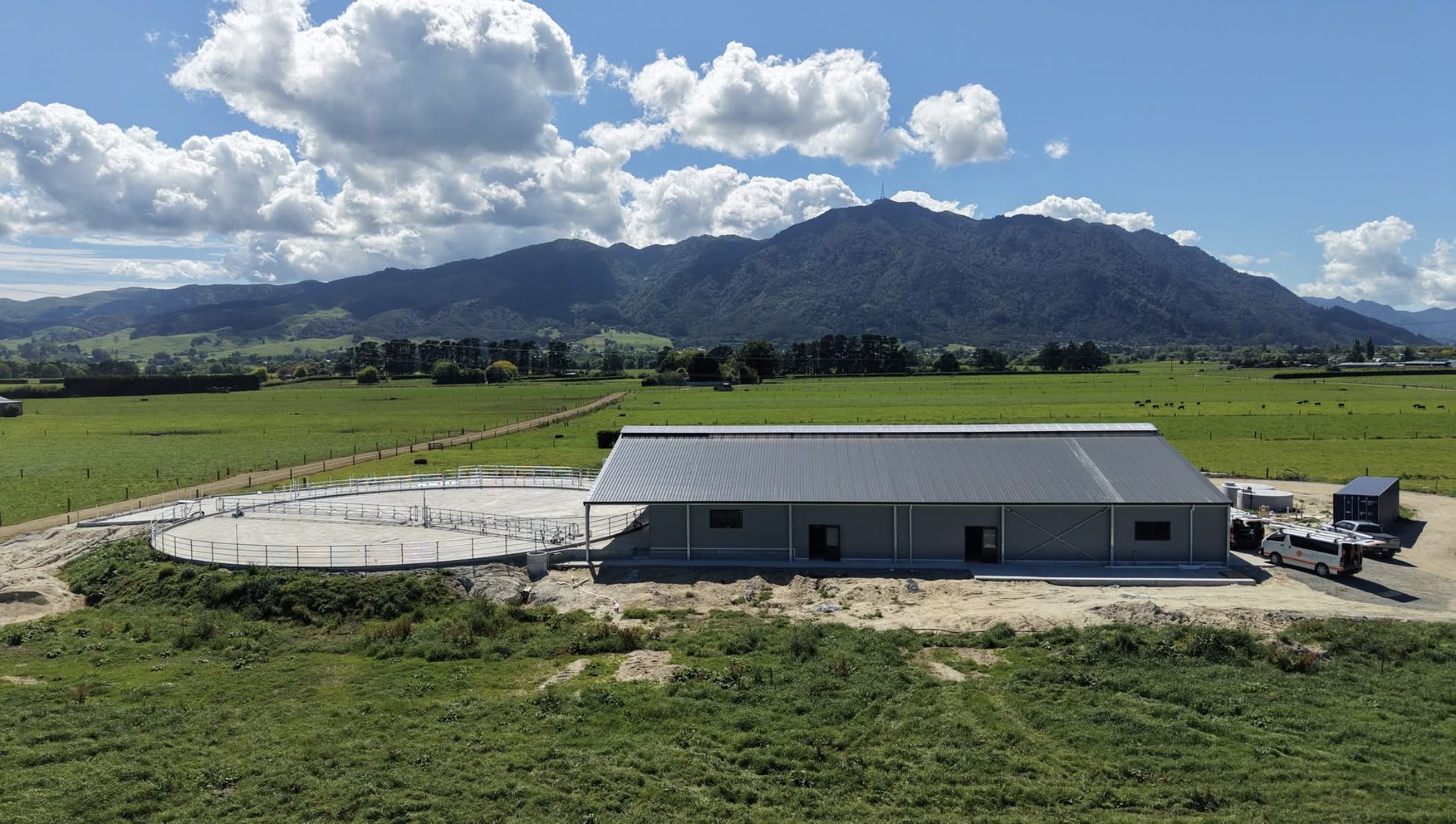
New Cow Shed Electrical Installations: Practical Planning for Dairy Farms
July 27, 2026
Building electrical reliability into a new cow shed
A new cow shed is a major investment, and the electrical installation plays a central role in how well it performs over the long term. From milking plant and refrigeration through to water pumps, lighting, gates, ventilation and automation, almost every part of a modern dairy shed relies on dependable power.
Planning the electrical work early helps avoid costly changes later. It also allows the layout, capacity and safety systems to be designed around the way the shed will actually be used. For farmers, builders and project managers, bringing an experienced rural electrical team into the conversation at the start can make the build smoother and the finished shed more practical.
Start with the full farm operation in mind
A cow shed is not just a building with lights and power points. It is a working environment that needs to support people, animals, plant and hygiene processes every day. The electrical design should take into account peak milking times, seasonal workloads, washdown routines, future technology and the wider farm electrical network.
Before installation starts, it is useful to map out all likely loads and locations. This may include the milking system, vacuum pumps, milk cooling, hot water, effluent pumps, yard lighting, roller doors, teat spray systems, drafting equipment, staff facilities and office areas. If expansion is likely, it is better to plan for additional capacity while the shed is being built rather than trying to retrofit it later.
Key considerations for new cow shed electrical installations
Every dairy shed is different, but several core areas should be considered on most new projects. The aim is to create an installation that is safe, accessible, durable and easy to maintain.
- Power capacity: The supply must be suitable for the equipment being installed, including starting loads and future additions.
- Switchboard location: Boards should be positioned for practical access while being protected from moisture, dust and damage.
- Moisture protection: Wet areas, washdown zones and outdoor equipment require carefully selected fittings and enclosures.
- Lighting design: Good lighting improves visibility for milking, animal handling, cleaning and maintenance.
- Control systems: Automation, sensors and timers should be integrated in a way that is simple for farm staff to use.
- Service access: Cable routes and equipment locations should allow for testing, servicing and repair without unnecessary disruption.
Designing for wet, harsh and busy environments
Cow sheds are demanding environments. Electrical components can be exposed to water, washdown chemicals, dust, vibration, animal movement and temperature changes. Standard domestic-style thinking is not enough for this type of installation.
Fittings, outlets and cable systems need to be selected for the conditions they will face. In wet zones, the right level of protection is essential. In animal areas, equipment may need to be mounted out of reach or guarded from impact. In plant rooms, heat and ventilation also need to be considered so equipment can run reliably.
Corrosion resistance is another important factor. Dairy environments can be tough on metal components, especially where moisture is constant. Choosing suitable materials and installation methods helps extend the working life of the system and reduces the risk of faults developing over time.
Lighting that supports safety and productivity
Lighting is often underestimated in new cow shed planning. Well-designed lighting helps staff work safely during early morning and evening milkings, supports animal movement and makes it easier to identify maintenance or hygiene issues.
Different areas need different lighting. The pit, platform, yards, plant room, tanker area, storage spaces and staff zones all have their own requirements. The goal is not simply to make the shed bright, but to create even, practical lighting with minimal glare and shadows.
Energy-efficient fittings can also reduce ongoing running costs, particularly where lights are used for long periods. Positioning, switching and sensor control should be planned so staff can easily operate lighting without wasting power in areas that are not being used.
Supporting milking plant, pumps and automation
Milking equipment places specific demands on an electrical installation. Motors, pumps and control systems need stable, reliable power, and their controls should be arranged so the shed can be operated confidently by trained staff.
Modern sheds may also include automation for drafting, cup removers, feed systems, wash cycles, effluent management and monitoring equipment. These systems should be coordinated early with the plant supplier and electrical contractor so cabling, isolators, controls and data requirements are allowed for in the build.
Where sensitive electronics are involved, surge protection and good separation of power and data cabling may be worth discussing. The best approach will depend on the site, equipment and overall farm infrastructure.
Thinking about backup power and resilience
Power interruptions can quickly become a problem in a dairy operation. When planning a new cow shed electrical installation, it is sensible to discuss how the shed will operate during an outage and whether provision should be made for generator connection or other backup arrangements.
Not every farm will need the same solution. Some may require a simple changeover arrangement, while others may need a more detailed resilience plan covering milking, milk cooling, water supply and effluent systems. The key is to make the decision during the design stage, so the switchgear and connection points are set up correctly from the beginning.
Safety, compliance and practical documentation
Electrical safety should be treated as a core part of the shed build, not a final check at the end. Rural electrical work should be completed by qualified professionals who understand the conditions found in agricultural sites and the importance of reliable operation during busy periods.
Clear labelling, accessible isolation points and up-to-date documentation all help make the finished installation easier to operate and maintain. Staff should be able to identify key circuits and shutdown points quickly, particularly in an emergency or when equipment is being serviced.
For general information on electrical safety expectations in New Zealand workplaces, farm owners and project teams can refer to WorkSafe New Zealand electricity guidance. Site-specific advice should always come from the professionals involved in your project.
Plan early with a rural electrical specialist
The best new cow shed electrical installations are planned alongside the building layout, plant design and farm workflow. Early input helps ensure the supply, switchboards, controls, lighting and protection systems all work together, rather than being added as separate pieces late in the project.
Electronz works with rural and commercial customers who need practical electrical solutions for demanding environments. For a new cow shed, that means focusing on safe installation, dependable performance and a layout that makes sense for everyday farm use.
If you are planning a new dairy shed, upgrading from an older system or coordinating a wider farm development, speak with an electrical team before construction is too far advanced. A well-designed installation can help your shed run more smoothly from the first milking and remain easier to service for years to come.
Posted in Blog
Find out about our new cow shed electrical installations in Morrinsville
Our services
Industrial Switchboards, Installations and Automation
We install new industrial switchboards and complete industrial electrical installations for businesses that need safe, efficient and dependable systems. We also provide automation solutions to help improve performance, reduce downtime and support smooth site operations.New House Builds
Building a new home requires an electrician who understands planning, timing and quality workmanship. ElectroNZ provides complete electrical services for new house builds in Morrinsville, from rough-in wiring through to fit-off and final completion.New Cow Sheds
We provide electrical services for new cow sheds, helping farmers create practical, durable and efficient systems for daily operation. As an experienced farm electrician in Morrinsville, we understand the needs of rural properties and the importance of reliable electrical infrastructure.New Chicken Sheds
ElectroNZ also carries out electrical installations for new chicken sheds and other specialist farm buildings. We work carefully to ensure each system is suitable for the intended use and built for long-term reliability.Fibre Optic Cable Splicing
Our fibre optic cable splicing service provides accurate, professional connections for projects that require strong and reliable network performance. This service is suitable for commercial, industrial and specialist cabling applications.Cable Locating Services
Before digging, trenching or starting site work, it is important to know where underground services are located. Our cable locating service helps identify existing underground cables, reducing risk and helping projects move ahead safely.Solar Installation, Maintenance and Servicing
We install, maintain and service solar power systems for homes and commercial buildings.Contact
Contact us
Talk to us now on
021 708 053or leave a message using the form below
- 5 Keith Camp Place, Morrinsville, Waikato 3372
- Mon-Fri: 8am - 5pm, with a 24/7 service
- dteague@electronz.net.nz