
Blog
New Chicken Shed Electrical Work: Practical Planning for a Safer, Smarter Setup
August 11, 2026
Planning the Electrical Fit-Out for a New Chicken Shed
Building a new chicken shed is a good opportunity to get the electrical work right from the start. Whether the shed is for a small lifestyle block, a growing rural operation or a more intensive poultry setup, the electrical design has a direct impact on day to day management, bird welfare, safety and future maintenance.
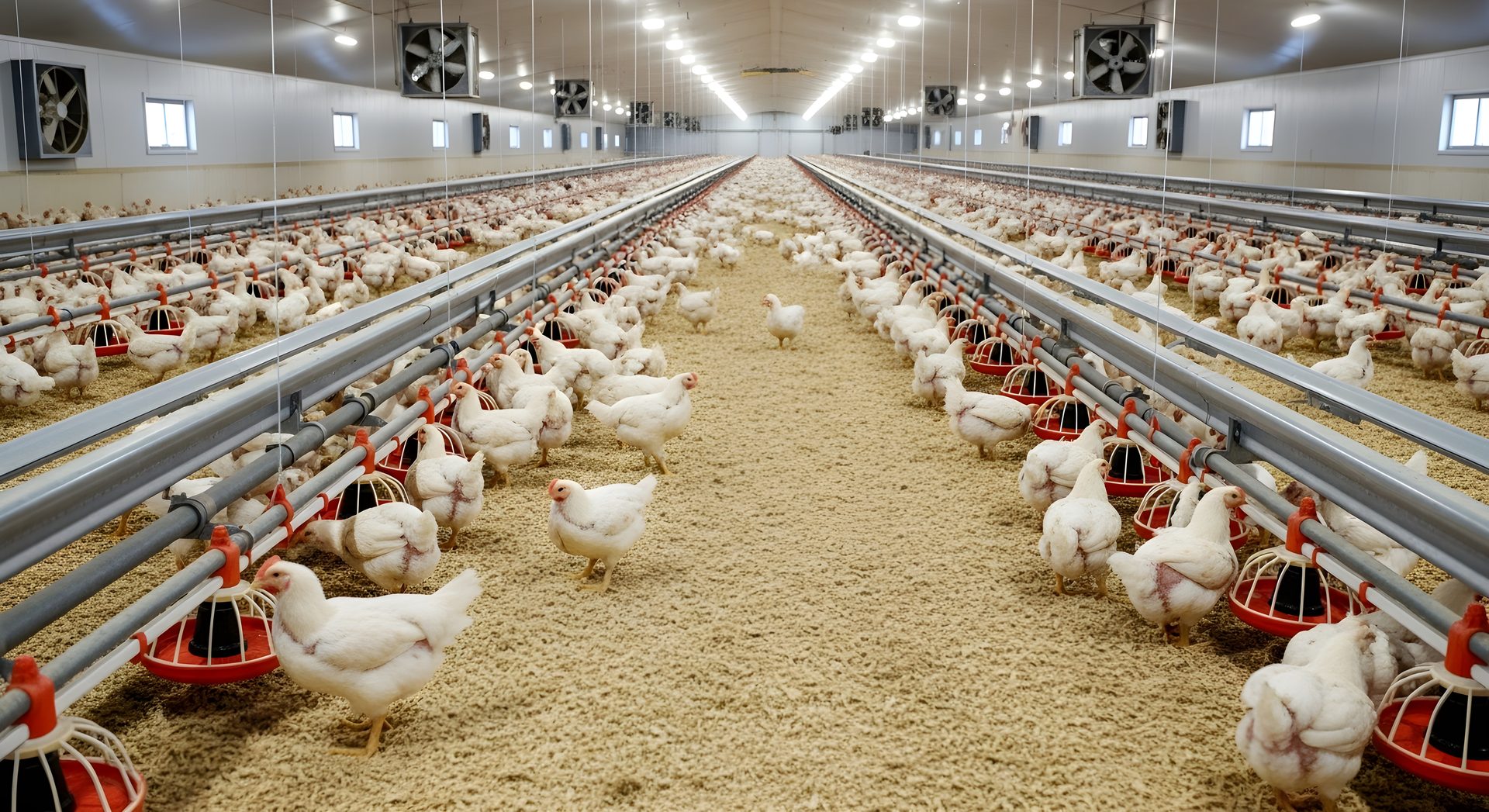
Chicken sheds are not simple storage spaces. They often need lighting, ventilation, water systems, heating, feed equipment, controls, sensors and reliable power in a dusty and sometimes damp environment. Retrofitting electrical services later can be awkward and costly, so early planning helps create a cleaner, safer and more practical installation.
For property owners, builders and farm managers, the best time to think about electrical work is before the shed is completed. Cable routes, switchboard location, power requirements and equipment positions can all be planned around how the shed will actually be used.
Start With How the Shed Will Operate
Before cable is run or fittings are selected, it helps to map out the intended operation. The electrical requirements for a simple backyard chicken shed will be very different from a larger shed with automated feeding, extraction fans and timed lighting.
Think about the daily tasks that will take place inside and around the shed. Will people be entering early in the morning or after dark? Will there be chicks needing warmth? Will water lines need frost protection in colder locations? Will feed or egg handling systems be installed now or later?
Useful details to discuss with your electrician include:
- The approximate shed size and layout
- Where birds, feed, water and access doors will be located
- Any ventilation, heating, pumping or automation equipment
- Cleaning methods, including whether washdown is likely
- Future expansion plans or spare capacity requirements
This information allows the electrical design to support real use, rather than just placing a few outlets wherever they fit.
Power Supply and Load Requirements
A new chicken shed may need more electrical capacity than first expected. Lighting alone may be modest, but ventilation fans, heaters, pumps, control systems and machinery can increase the load. If several items start at once, the power supply must be able to cope safely and reliably.
For sheds located away from the main dwelling or farm buildings, cable distance is an important factor. Long cable runs need to be properly assessed to help maintain suitable voltage at the shed. The switchboard arrangement also matters, especially if the shed will have multiple circuits for lighting, general power and equipment.
Good planning may include dedicated circuits for key equipment, clear labelling and allowance for spare capacity. This makes troubleshooting easier and gives more flexibility if extra systems are added later.
Lighting That Supports People and Poultry
Lighting in a chicken shed is not just about visibility. It helps staff move safely, check birds, clean equipment and carry out daily tasks. In some setups, lighting can also be part of the management routine, particularly where timers or controlled lighting periods are used.
LED fittings are commonly chosen because they are efficient, long lasting and available in options suited to different environments. The key is selecting fittings appropriate for the shed conditions and placing them to minimise dark areas, glare and accidental damage.
Consider lighting for:
- Main internal working areas
- Entry points and access paths
- Feed and water service areas
- Exterior approaches and loading zones
- Emergency or backup needs where appropriate
Switching should also be practical. A shed with multiple entries may benefit from switches located where staff naturally enter and exit. For larger sheds, zoned lighting can reduce unnecessary power use and make management easier.
Ventilation, Heating and Environmental Controls
Ventilation is a major consideration for most chicken sheds. Fans, inlets and controls may be needed to help manage heat, moisture, dust and air quality. Electrical work should allow these systems to operate reliably, with suitable circuits and controls positioned away from damage-prone areas where possible.
Heating may also be required, especially for chicks or seasonal conditions. Heat lamps, brooders or other heating equipment should be planned carefully so that outlets, cable routes and control points suit the equipment being used. It is better to design for the intended heating system than rely on temporary leads and improvised arrangements.
Environmental controls can range from simple thermostats through to more advanced automated systems. Even if a fully automated setup is not being installed immediately, it may be worth allowing conduit, space or spare circuits for future upgrades.
Moisture, Dust and Corrosion Considerations
Chicken sheds can be challenging electrical environments. Dust, feathers, humidity, cleaning activity and corrosive materials can all affect fittings over time. Standard indoor fittings are not always suitable for these conditions.
The choice of switches, outlets, lights, enclosures and cable protection should reflect the shed environment. In areas exposed to dampness or cleaning, fittings with suitable protection ratings may be needed. Equipment should be positioned to reduce direct exposure to dust build-up, knocks from tools or machinery, and contact with birds where practical.
Routine maintenance also needs to be considered. Electrical gear that is accessible, clearly labelled and sensibly located is easier to inspect and service. This is particularly useful in rural sheds where downtime can quickly disrupt daily routines.
Safety, Compliance and Practical Risk Reduction
Electrical work in agricultural buildings should be approached carefully. The combination of animals, moisture, metal structures, machinery and human activity means that good design and workmanship are essential. A suitably qualified electrical contractor can assess the installation requirements and complete work in line with relevant New Zealand rules and accepted practice.
For general guidance on electrical safety responsibilities and safe work around electricity, property owners can refer to WorkSafe New Zealand. This is useful background, but it is not a substitute for project-specific electrical advice.
Practical safety measures may include well-positioned isolation points, RCD protection where required, protected cable routes, appropriate enclosures and clear circuit labelling. Exterior lighting and safe access to the shed should also be considered, particularly during winter or early morning checks.
Automation and Future Expansion
Many new chicken sheds start with basic services and become more advanced over time. Automatic drinkers, feeders, fans, timers, monitoring systems and remote alerts can all add convenience and control. Even if these are future upgrades, the initial electrical work can make them easier to install later.
Future ready planning does not have to mean overcomplicating the project. It may simply involve allowing extra switchboard space, installing conduit to key areas, selecting a suitable control location or ensuring the power supply can support likely additions.
Thinking ahead is especially useful for owners who may expand flock numbers, add another shed or introduce more automation once the system is running well.
Why Early Electrical Input Matters
Electrical planning is often left until the shed structure is nearly finished, but earlier input usually creates a better result. An electrician can work with the builder or shed supplier to plan cable routes, penetrations, mounting points and equipment locations before walls and linings are completed.
This can help avoid visible surface wiring where it is not wanted, reduce awkward penetrations, keep services protected and make the finished shed easier to clean and maintain. It also allows electrical work to be staged sensibly alongside construction, rather than rushed at the end.
Talk to Electronz About Your New Chicken Shed
A new chicken shed is an investment, and the electrical work should be designed to support safe, practical and reliable operation. From lighting and power outlets through to ventilation, heating and controls, each part of the installation should suit the way the shed will be used.
Electronz can help plan and complete electrical work for new rural and lifestyle property sheds, including chicken shed installations. If you are building a new shed or upgrading plans before construction starts, getting advice early can help you avoid compromises and create a setup that works well from day one.
Posted in Blog
Find out about our new chicken shed electrical work in Morrinsville
Our services
Industrial Switchboards, Installations and Automation
We install new industrial switchboards and complete industrial electrical installations for businesses that need safe, efficient and dependable systems. We also provide automation solutions to help improve performance, reduce downtime and support smooth site operations.New House Builds
Building a new home requires an electrician who understands planning, timing and quality workmanship. ElectroNZ provides complete electrical services for new house builds in Morrinsville, from rough-in wiring through to fit-off and final completion.New Cow Sheds
We provide electrical services for new cow sheds, helping farmers create practical, durable and efficient systems for daily operation. As an experienced farm electrician in Morrinsville, we understand the needs of rural properties and the importance of reliable electrical infrastructure.New Chicken Sheds
ElectroNZ also carries out electrical installations for new chicken sheds and other specialist farm buildings. We work carefully to ensure each system is suitable for the intended use and built for long-term reliability.Fibre Optic Cable Splicing
Our fibre optic cable splicing service provides accurate, professional connections for projects that require strong and reliable network performance. This service is suitable for commercial, industrial and specialist cabling applications.Cable Locating Services
Before digging, trenching or starting site work, it is important to know where underground services are located. Our cable locating service helps identify existing underground cables, reducing risk and helping projects move ahead safely.Solar Installation, Maintenance and Servicing
We install, maintain and service solar power systems for homes and commercial buildings.Contact
Contact us
Talk to us now on
021 708 053or leave a message using the form below
- 5 Keith Camp Place, Morrinsville, Waikato 3372
- Mon-Fri: 8am - 5pm, with a 24/7 service
- dteague@electronz.net.nz