
Blog
Industrial Automation Services for Smarter, More Reliable Operations
May 28, 2026
What industrial automation services involve
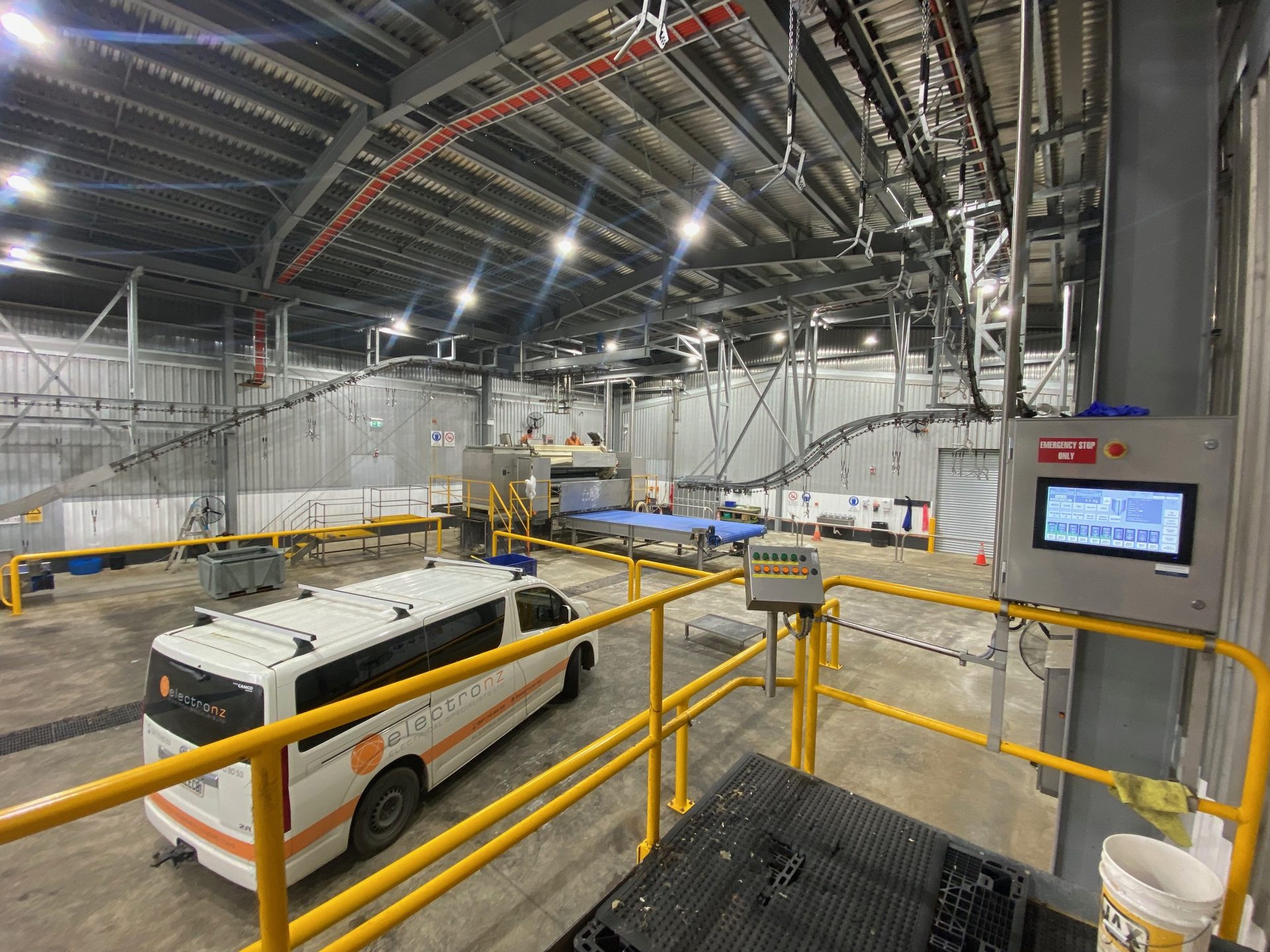
Industrial automation services bring together electrical engineering, control systems, instrumentation, software and practical site knowledge to improve the way machinery and processes operate. For many New Zealand businesses, automation is not about replacing people. It is about giving teams better tools, clearer information and more reliable equipment so they can work safely and efficiently.
A well-designed automation system can control machines, monitor production, manage alarms, record data and help operators make faster decisions. It may include programmable logic controllers (PLCs), human machine interfaces (HMIs), variable speed drives, sensors, control panels, industrial networks and supervisory control and data acquisition (SCADA) systems.
The right approach depends on the site, the process and the business goal. Some projects focus on a single machine upgrade. Others involve wider plant integration, where multiple systems need to communicate and operate as one.
Why automation matters for New Zealand operations
Many local manufacturers, processors, utilities and infrastructure operators are working with ageing equipment, tight labour markets and increasing expectations around traceability, energy use and uptime. Industrial automation services can help address these pressures by improving control and reducing avoidable downtime.
Automation also supports consistency. When a process is manually controlled, results can vary depending on who is operating the equipment, how busy the shift is and how easily faults can be identified. Automated control helps maintain repeatable set points, timed sequences and alarm responses, which can support more predictable output.
For sites with older machinery, automation does not always mean a complete replacement. In many cases, existing equipment can be modernised with upgraded controls, new drives, improved sensing or better operator interfaces. This can extend the usable life of plant while improving reliability and visibility.
Key benefits of industrial automation services
Improved uptime and fault response
Downtime is costly, especially when a fault stops a production line or critical plant. Automation can help by identifying issues earlier, logging alarms and giving technicians better diagnostic information. Instead of searching through wiring or relying on operator memory, maintenance teams can use fault histories, status screens and trend data to understand what happened and where to start.
Better control of quality and consistency
Consistent process control can reduce variation. For example, automated speed control, temperature control, dosing, positioning or sequencing can help ensure the same steps are followed each cycle. This is particularly useful where accuracy, repeatability or traceability matters.
Safer ways of working
Automation can support safer operations by reducing unnecessary manual handling, improving machine control and helping separate people from hazardous movement. Safety must be designed carefully and should be considered from the start of any project, not added at the end. Businesses planning machine upgrades can also refer to general guidance from WorkSafe New Zealand on machinery safety.
Greater visibility across the site
Modern control systems can provide a clearer view of what is happening on the factory floor or within plant. Operators can see statuses, alarms, running hours, production counts and process trends from an HMI or SCADA screen. Managers can use this information to understand bottlenecks, plan maintenance and make more informed operational decisions.
Common types of automation projects
Industrial automation services can cover a wide range of project types. The best solution is usually shaped by a site assessment, clear requirements and practical input from the people who operate and maintain the equipment every day.
- PLC upgrades and programming: replacing obsolete controllers, improving logic or adding new functionality.
- HMI and SCADA systems: creating operator screens, alarm pages, trends and reporting functions.
- Variable speed drive integration: improving motor control, speed adjustment and process flexibility.
- Control panel design and upgrades: building or modifying panels to suit current equipment and standards.
- Instrumentation and sensing: measuring levels, pressures, temperatures, flow, position or product presence.
- System integration: connecting machines, processes and data so information flows where it is needed.
- Breakdown support and maintenance: diagnosing faults, replacing failed components and improving reliability.
Designing automation around the process
Good automation starts with understanding the process, not just the hardware. Before choosing equipment or writing code, it is important to define what the system needs to achieve. What are the critical control points? What does the operator need to see? What happens if a sensor fails? How should the system recover after an emergency stop or power interruption?
These questions help turn a general idea into a practical specification. They also reduce the risk of a system that works technically but does not suit daily operations. The people on site often have valuable knowledge about common faults, awkward steps and workarounds that have developed over time. Bringing that knowledge into the design stage can make the final system more usable and reliable.
Modernising older equipment without starting again
Many businesses have machinery that still performs its core mechanical function but is limited by outdated electrical controls. In these cases, a targeted automation upgrade can be a sensible path. Replacing an obsolete PLC, adding a touchscreen HMI, updating control wiring or installing modern drives can make equipment easier to operate and maintain.
Modernisation can also reduce the risk associated with hard-to-source parts. When older components fail, replacement parts may be unavailable or expensive. Planning an upgrade before a breakdown gives the business more control over timing, cost and implementation. It also provides an opportunity to document the system properly, tidy old wiring and improve fault finding.
Choosing the right automation service partner
An automation project affects production, maintenance, safety and long-term support. Choosing the right service partner is therefore an important decision. Technical capability matters, but so does communication and the ability to work around live operating environments.
When assessing an industrial automation provider, consider whether they can:
- Understand your process before recommending a solution.
- Work with existing equipment where appropriate.
- Provide clear documentation and practical operator guidance.
- Support commissioning, fault finding and future changes.
- Communicate clearly with production, maintenance and management teams.
The best outcomes usually come from a collaborative approach. A good provider will ask questions, test assumptions and design with long-term maintainability in mind.
How Electronz supports industrial automation projects
For businesses exploring industrial automation services, Electronz can assist with practical control system solutions, upgrades and support for industrial equipment. Whether the need is a small machine improvement, a control panel upgrade or a broader automation project, the aim should be to deliver systems that are reliable, serviceable and suited to the operating environment.
Every site has its own constraints, from space and downtime windows to existing wiring, legacy systems and production pressures. A structured approach helps manage these constraints. This can include reviewing the current system, identifying risks, defining priorities, planning the upgrade path and supporting commissioning once changes are made.
Planning your next automation step
If your operation is dealing with recurring faults, obsolete controls, limited process visibility or inconsistent output, it may be time to review where automation could help. The first step does not need to be a major project. Often, a site discussion and review of the most common pain points will identify practical improvements that can be staged over time.
Industrial automation services are most effective when they are aligned with real business needs. By focusing on reliability, safety, usability and maintainability, New Zealand businesses can invest in automation that supports their people and strengthens day-to-day operations.
Posted in Blog
Find out about our industrial switchboards, installations and automation in Morrinsville
Our services
Industrial Switchboards, Installations and Automation
We install new industrial switchboards and complete industrial electrical installations for businesses that need safe, efficient and dependable systems. We also provide automation solutions to help improve performance, reduce downtime and support smooth site operations.New House Builds
Building a new home requires an electrician who understands planning, timing and quality workmanship. ElectroNZ provides complete electrical services for new house builds in Morrinsville, from rough-in wiring through to fit-off and final completion.New Cow Sheds
We provide electrical services for new cow sheds, helping farmers create practical, durable and efficient systems for daily operation. As an experienced farm electrician in Morrinsville, we understand the needs of rural properties and the importance of reliable electrical infrastructure.New Chicken Sheds
ElectroNZ also carries out electrical installations for new chicken sheds and other specialist farm buildings. We work carefully to ensure each system is suitable for the intended use and built for long-term reliability.Fibre Optic Cable Splicing
Our fibre optic cable splicing service provides accurate, professional connections for projects that require strong and reliable network performance. This service is suitable for commercial, industrial and specialist cabling applications.Cable Locating Services
Before digging, trenching or starting site work, it is important to know where underground services are located. Our cable locating service helps identify existing underground cables, reducing risk and helping projects move ahead safely.Solar Installation, Maintenance and Servicing
We install, maintain and service solar power systems for homes and commercial buildings.Contact
Contact us
Talk to us now on
021 708 053or leave a message using the form below
- 5 Keith Camp Place, Morrinsville, Waikato 3372
- Mon-Fri: 8am - 5pm, with a 24/7 service
- dteague@electronz.net.nz